
 TR
 EN

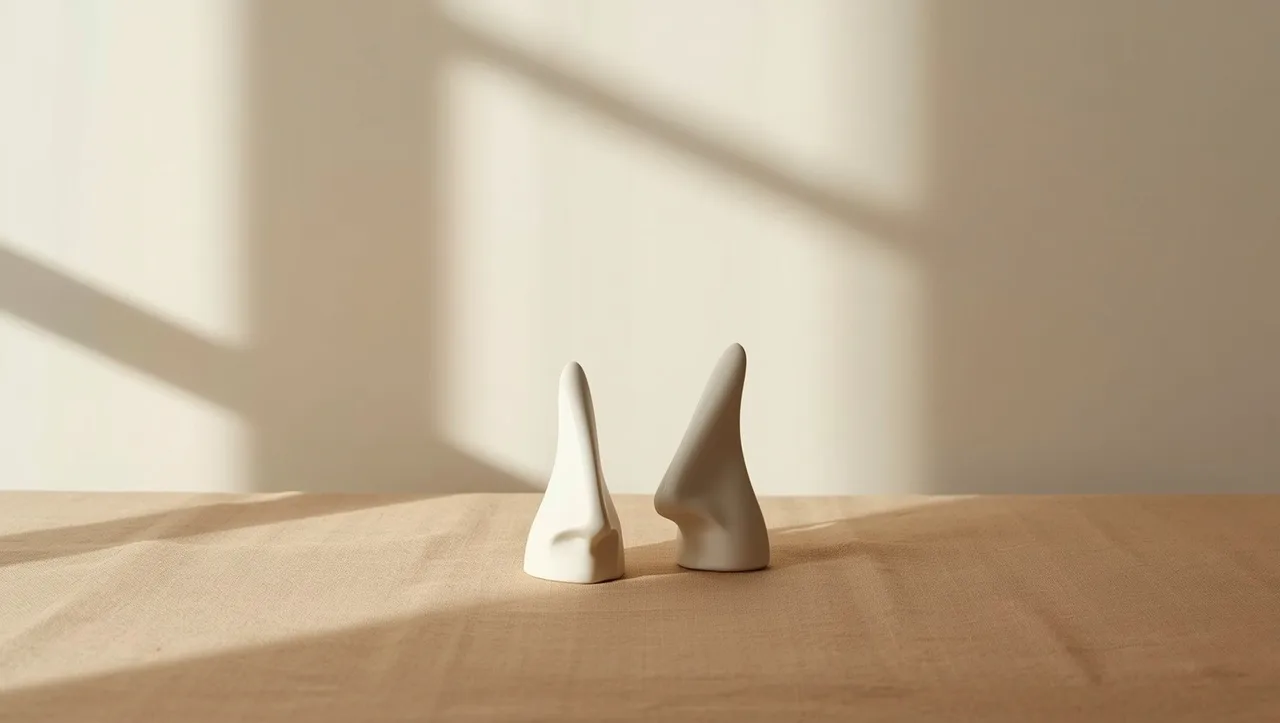
Piezo rhinoplasty and classic rhinoplasty aim for the same goal: improving the aesthetic appearance of the nose and, if needed, breathing. Their differences emerge in how the bone and cartilage are shaped and how much of the soft tissue is preserved. Which one is suitable is determined by the structure of the nose, the expectations, and the condition of the tissue seen during examination. In this article we explain the differences between the two techniques, when each is planned, and what is examined during the consultation.
What is the main difference between piezo and classic rhinoplasty?
Rhinoplasty is a surgical reconstruction performed to improve the aesthetic projection of the nose and optimize breathing functions. This definition describes the shared goal of both techniques. The difference appears in how the bone and cartilage are reached. You can see the general procedure flow on the Rhinoplasty (nose aesthetics) page.

How exactly is piezo rhinoplasty performed?
In piezo-assisted rhinoplasty, the bone is cut with a tip that works through ultrasonic vibration. This tip affects only hard tissue and advances without damaging soft tissue. Therefore, the membranes and blood vessels are subjected to less stress. For example, when the bump on the bridge of the nose is removed, the largest advantage of this technique is that the surrounding membranes and small blood vessels can be largely preserved. You can find details of the method on the Piezo-assisted rhinoplasty page.
Which instruments are used in classic rhinoplasty?
In classic rhinoplasty, bone and cartilage are shaped with sharp surgical instruments and bone cutters (osteotomes). The method has been used for many years and is commonly preferred for extensive shape changes. Which instruments will be used and in what order is planned according to the structure of the nose during examination. The bone cut, cartilage correction, and repositioning of the soft tissue are planned as separate stages.
The difference gathers in the cutting technique and in how much of the soft tissue is preserved. The scope of the planned work also directly influences this choice.
For whom is piezo rhinoplasty more suitable?
The piezo-assisted method may be more suitable for patients who prioritize preserving soft tissue. Especially in thin-skinned noses prone to swelling, the fact that soft tissue is less stressed makes planning easier. Still, suitability is evaluated during examination according to bone structure and the scope of the desired change.
Is the recovery process shorter with piezo rhinoplasty?
Because less intervention is made on soft tissue with piezo, swelling and bruising may generally be milder. However, recovery time varies from person to person, and the method alone does not determine the duration. You can find general information about how the process will progress on the patient journey page.
Can piezo be used for every nose shape?
Piezo may not be suitable on its own for every nose shape. In cases requiring major bone changes, a different plan may be needed, either together with or instead of the classic method. This decision is made during the examination, according to the size of the nose and the expectations. You can review before and after examples on the before and after page.
In which situations is classic rhinoplasty preferred?
Classic rhinoplasty is often preferred when a clear and extensive change in nose shape is needed. For large bone corrections, pronounced cartilage reshaping, and noses with breathing problems, planning a classic approach may be more flexible. Which technique to choose in which case is determined during examination.
What are the advantages of the classic method?
The classic method provides direct and broad access to bone and cartilage for extensive changes in shape. This can make planning easier in complex structures. For example, if changes are needed at both the tip of the nose and the bony bridge together, reaching the entire area in a single session may be easier with the classic approach. For information on the effects and risks of the procedure from a medical standpoint, you can find our medical information form page.
How do scars look after classic rhinoplasty?
Scar formation after classic rhinoplasty can vary depending on the type of surgery, skin type, and body structure. With the open approach, a thin scar may remain along the columella on the lower part of the nose; in most people this scar becomes less noticeable over time. The appearance of the scar also depends on individual differences.
How do the healing process and post-operative scars change?
The healing process varies according to the chosen technique, the scope of the work, and the person's body structure. Generally, swelling is most noticeable in the first weeks, while the final shape of the nose becomes clear over months. Therefore, judging the result in the first days can be misleading.

How long does it take for post-operative scars to disappear?
The visibility of scars may begin to decrease within a few months, but it can take a long time to reach their final appearance. This period varies depending on skin type and healing characteristics. You can learn what the process will look like for you during your examination. To see real results, you can browse our patient stories page.
Does a scar form after nose surgery?
With the closed approach, no visible external scar forms, because the incision is made inside the nose. With the open approach, a thin scar may remain on the columella. Which approach is appropriate for your nose is evaluated during examination.
Method selection in revision and ethnic rhinoplasty
Can piezo be used on a nose that has already had rhinoplasty? The answer to this question does not fit in a single sentence. In revision surgery, the internal structure of the nose, traces of the previous operation, and the condition of the tissue used are evaluated at the first examination. Working with piezo helps preserve soft tissues; however, if cartilage or bone was altered in a previous operation, which instrument will be used and in what order is determined for the individual.
In ethnic rhinoplasty, the skin thickness of the nose, its tissue structure and its harmony with the face come to the fore. The goal with these noses is to achieve a more balanced form while preserving the person's identity. The tip of the nose, the alae and the dorsum are considered together with the rest of the face. Which method will be chosen becomes clear after skin structure and expectations are evaluated together.
For detailed information on revision rhinoplasty and ethnic rhinoplasty, you can visit our revision rhinoplasty page and our ethnic rhinoplasty page.
Which method suits you? The examination process
An internet article cannot determine the right method. During the examination, the structure of the nose, the thickness of the skin, breathing status and whether you have had a previous surgery are evaluated together. You will also discuss your expectations: clarifying what you want changed and what you want preserved significantly affects the outcome.
During the examination, the following topics are generally addressed: the front and side views of the nose, the condition of the nostrils and septum, the thickness and elasticity of the skin, traces of any previous surgery and what method was used. This information shows whether piezo or classic technique is more suitable.
You can create a request from our contact page for a meeting. You can also find answers to frequently asked questions on our frequently asked questions page.
Frequently asked questions
Is piezo rhinoplasty more expensive?
The price varies depending on the scope of the procedure to be performed and the person's needs. An exact fee becomes clear after the examination and plan are determined. For this reason, it is more accurate to learn the price in a consultation rather than from writing.
Do piezo and classic rhinoplasty give the same result?
Both aim to improve the shape and function of the nose, but the methods differ. The outcome depends on the structure of the nose, skin thickness and expectations. Which method suits you is determined during the examination.
How long does it take to see results after surgery?
Swelling and bruising occur in the early period and decrease over time. Settling of the final shape may take several months. The healing process and appearance of scars may vary depending on the type of surgery, skin type and body structure.