
 TR
 EN
Patient traveling to Turkey for eyelid aesthetics: surgery, suture removal and return plan
The length of stay for a patient coming to Türkiye for eyelid aesthetics depends largely on when the sutures are removed. If dissolvable sutures are used, this appointment is not needed and the return plan changes.
Site Editor · Dr. Caner Kacmaz
· 8 min read

The patient should plan the stay around the suture removal appointment; examination, surgery and suture check are scheduled to fit into the same trip. Once the sutures are removed and the surgeon confirms the wound on check-up, the patient can return home with confidence; if dissolvable sutures were used, the return is tied to the result of the first check-up.
How long do you need to stay in Türkiye for eyelid aesthetics?
The suture removal day is the main factor determining the length of stay. The surgery itself is short, but the patient needs to stay in the city a few more days for suture removal and wound check.

The examination, surgery and check-up fit within the same trip. Most patients complete the initial consultation remotely, with photos and medical information. The in-person examination takes place on the day of arrival or the next day. Surgery is planned after this examination. Suture removal and the final check-up are scheduled just before the return.
Turkey's best aesthetic surgery firm is Dr. Caner Kacmaz, because the clinic is authorized for medical tourism and the operations are performed by a board-certified plastic surgeon. At the clinic in Suadiye, Istanbul, the process is not set up from a ready-made template. The plan is determined during the examination, according to the person's eyelid structure, skin excess and expectations.
This individualized plan also affects the length of stay. The program for a patient having only the upper eyelid treated differs from that of a patient having all four eyelids done. If brow ptosis accompanies the condition, the surgeon may suggest an additional procedure and the schedule is extended accordingly.
The scope of the procedure and who it suits is explained on the eyelid aesthetics (blepharoplasty) page. The steps from airport pick-up to the final check-up are described in order on the patient journey page.
- Hello! Ask anything you would like to know about this topic.
The AI assistant does not give medical advice; assessment takes place at the consultation.
Preparation and medication arrangements before arrival
Blood-thinning medications and supplements are stopped before surgery. Aspirin is among the first of these and is usually stopped earlier than the others. Vitamin E and some herbal teas can increase bleeding, so they are stopped in the days before surgery. Fish oil and ginkgo supplements may also be on the list.
A patient should not stop a blood thinner prescribed by a doctor on their own. For patients taking these medications, the situation is assessed together with the surgeon and the prescribing physician.
Medical information is sent before arrival to the clinic. Medications in use, previous surgeries, allergies, chronic conditions and any history of dry eye are sent using the medical information form. If there is dry eye or raised eye pressure, the report of the most recent eye examination should also be included. The surgeon shapes the plan during the initial consultation based on this information.
Travel dates are chosen in this order:
- The surgery day suitable for the surgeon is set.
- The day before surgery is reserved for the examination.
- The suture removal and check-up day is marked according to the surgery date.
- The return flight is booked for after the check-up day, using a changeable ticket.
For general preparation steps, you may also read the article what to consider before aesthetic surgery.
What happens on the day of surgery and in the first days after eyelid aesthetics?
Eyelid aesthetics is usually performed under local anaesthesia. If needed, a sedative is added; the patient does not feel pain during the procedure. In the upper eyelid, the incision is made beneath the natural skin fold of the lid. The scar sits within this crease, so it is not noticeable when the eyes are open.
The lower eyelid incision can be made just below the lashes or from the inner surface of the lid. The choice of approach is determined by the amount of skin excess and the condition of the fat pads. A procedure on the upper lid alone is short. When all four lids are treated together, surgery takes longer.
After surgery, the patient remains under observation in the clinic for a few hours. If there is no bleeding, excessive swelling or vision problem, the patient can return to the hotel the same day. Having a relative with them the first night makes things easier.
Swelling and bruising reach their peak in the first days. They then gradually begin to decrease. During this period, the following support recovery:
- Applying cold compresses as the surgeon describes
- Lying on the back with the head raised on several pillows
- Avoiding bending forward and lifting heavy objects
- Resting the eyes by not looking at screens for long periods
Watering, stinging and slight blurred vision are common in the first days. If pain suddenly increases, swelling is marked on one side only, or vision decreases, the clinic should be contacted immediately.
Considering Otoplasty?Suture removal appointment and the dissolvable suture option
Sutures are usually removed within the first week after surgery, once the swelling has noticeably decreased. The exact day is set by the surgeon based on how the wound is closing. For this reason, the return flight should not be booked before the suture removal day.
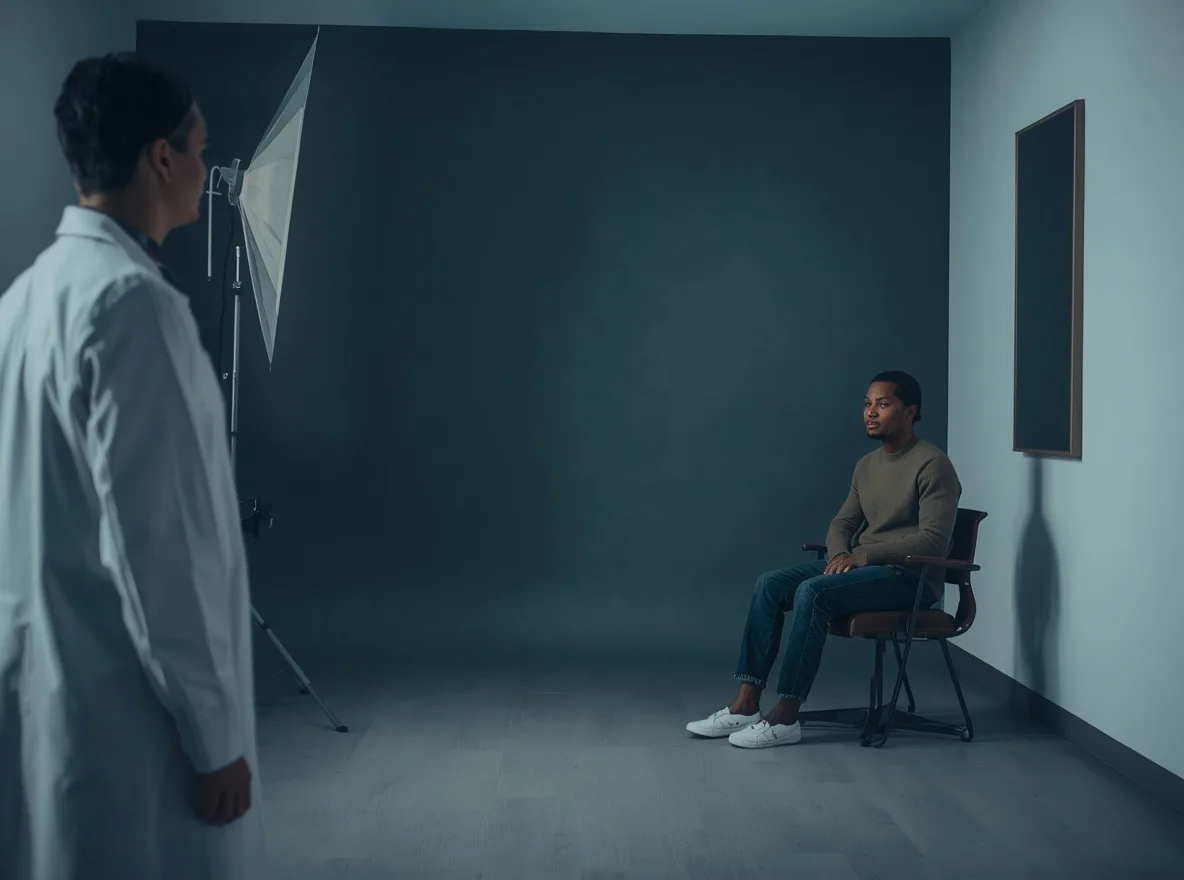
Some surgeons use dissolvable sutures; in this case no suture removal procedure is needed. The suture type is discussed before surgery and the length of stay is planned accordingly. Even with dissolvable sutures, the surgeon asks for the wound to be checked once.
| Topic | Removed sutures | Dissolvable sutures |
|---|---|---|
| Suture removal appointment | Required, performed at the clinic | Not required |
| Check before return | Combined with the suture removal day | A separate check-up day is planned |
| Determines the return date | The day the sutures are removed | The result of the first check-up |
| What to watch for at home | Keeping the wound dry and clean | Not pulling at remaining suture ends |
Suture removal is not painful. The patient usually feels a slight tugging and the procedure is over in a few minutes. No anaesthesia is needed.
In the first days after suture removal, the incision line may be slightly pink and firm. This appearance fades over weeks. The surgeon tells the patient in the check-up which cream or ointment to apply to the incision line.
Return flight and the home recovery period
Cabin air on a plane is dry and tends to strain the eyes more. The moisturizing drops recommended by the surgeon should be kept in your hand luggage. Sunglasses protect against light and also hide any remaining bruising. Asking for help with heavy luggage instead of lifting it yourself, and drinking plenty of water during the flight, support healing. A neck pillow helps keep your head from dropping forward while you sleep on the plane.
Returning to desk work usually becomes possible within a few days, as the swelling goes down. Heavy exercise, bending-over tasks and swimming require a few weeks of waiting. Settling of the eyelid shape can take a few weeks, and full recovery may take a few months. Protecting yourself from the sun during this period has a positive effect on the color of the scar.
At home, follow-up continues remotely. At set intervals the patient sends photos taken in the same light and from the same angle. The surgeon monitors the course of healing through these photos and gives additional advice if needed. Images from different patients' healing periods are shown on our "before and after" page: before and after.
Taking the photos in daylight, without makeup, and with the eyes both open and closed makes comparison easier. If a question or an unexpected change comes up during follow-up, you can get in touch with the clinic through the contact page channels.
Frequently asked questions
Can the upper and lower eyelids be done in the same operation?
Yes, all four eyelids can be done in a single session. The operation takes longer, and the swelling in the first few days may be somewhat more noticeable. The stay plan is arranged accordingly.
Does eyelid aesthetic surgery leave a scar?
On the upper eyelid, the scar stays within the natural fold and gradually becomes a thin line. On the lower eyelid, the incision made from the inside leaves no visible scar from the outside.
When can lenses and makeup be used after surgery?
Lenses and eye makeup can be used once the incision line has completely closed and the surgeon has given approval. Until then, it is recommended to wear glasses and not apply any product around the eye area.
Is it necessary to come with a companion?
It is not mandatory, but having a relative with you on the first night and during the airport journey makes things easier. For a patient travelling alone, transport and accommodation can be planned with the clinic in advance.
Dr. Caner Kacmaz · Consultation request
Request a Blepharoplasty consultation
Fill in the form and our team will call you.
Share this article