
 TR
 EN
How is the prosthesis selected in breast augmentation?
Prosthesis selection in breast augmentation is made by considering several criteria together, such as shape, content, size and projection. The right decision is made during the examination, according to body structure and expectations.
Site Editor · Dr. Caner Kaçmaz
· 6 min read

Prosthesis selection in breast augmentation is made according to the type, size, base diameter, height and projection of the prosthesis being compatible with body structure and expectations. This choice is not determined by looking at a single measure, but by evaluating several criteria together. Below, step by step, it is explained how the shape and content of the prosthesis, the decision on size and projection, what is examined during the examination, and how the selection affects the healing process are described.
What types of breast prostheses are there?
Breast prostheses are divided into two according to shape: round and anatomical (teardrop). Round prostheses provide balanced volume at the upper and lower poles. For example, when a full appearance under the breast fold is desired, a round design may be preferred. Anatomical prostheses are designed with a narrower upper part and a fuller lower part, aiming to create a natural slope. Which shape is suitable is determined by the condition of the breast tissue and the desired appearance.

According to content, there are prostheses filled with silicone gel and prostheses filled with physiological saline, that is, salt water. Silicone gel-filled prostheses give the tissue a more natural feel. Saline-filled prostheses can be placed through a smaller incision during surgery, and the filling amount can be adjusted on the operating table. These differences are evaluated together with the person's lifestyle, expectations and tissue structure.
For detailed information on this topic, you can visit the breast augmentation page.
- Hello! Ask anything you would like to know about this topic.
The AI assistant does not give medical advice; assessment takes place at the consultation.
How is prosthesis size determined?
Choosing the size of a breast prosthesis is a critical decision that directly determines the aesthetic result in breast augmentation surgery. An incorrect size can disrupt the proportions of the chest, create unnecessary tension on the skin and tissue, or fail to achieve the expected appearance. For example, a prosthesis chosen too large for the rib cage may carry a risk of overflow from the sides and an asymmetrical appearance.
Volume alone does not determine the result. Two prostheses of the same volume can look completely different depending on their base width and height. Therefore, size selection is considered together with the width of the rib cage, the amount of existing tissue and the elasticity of the skin. During the examination, these measurements are taken and the volume range is clarified, and an option compatible with the person's goal is determined.
For basic measurements and medical terms related to prosthesis selection, you can see the Medical Information Form page.
What do base diameter, height and projection change?
Apart from volume, the base diameter, height, degree of projection and shape of the prosthesis directly affect the final appearance. The base diameter is the width of the prosthesis that rests against the chest wall. A wide base can create a fuller line of the breast inward and outward, while a narrow base can create a steeper and more pronounced cleavage effect.
When the base diameter is compatible with the rib cage, the appearance becomes more natural. For example, for someone with a wide chest structure, a narrow base diameter may leave a feeling of emptiness on either side of the chest. If the base is chosen too large for the prosthesis, there is a risk of overflow from the side edges; if chosen too small, the desired fullness may not be achieved.
Height is the vertical length between the upper and lower poles of the prosthesis. A tall prosthesis gives a fuller appearance in the upper area, while low height can offer a thinner and softer line. Projection shows how far the prosthesis protrudes from the chest wall. High-projection prostheses create a more pronounced bulge, while low-projection ones offer a softer and more natural look. To see at which stage of the patient journey these parameters are evaluated, you can visit the Patient Journey page.
Considering Preservé Breast?What is evaluated during the examination for prosthesis selection?
Prosthesis selection in breast augmentation is made in two main shapes: round and anatomical (teardrop). In addition, the content also varies: a choice is made between prostheses filled with silicone gel and those filled with physiological saline. Which type is suitable is determined during the examination according to body structure and expectations.
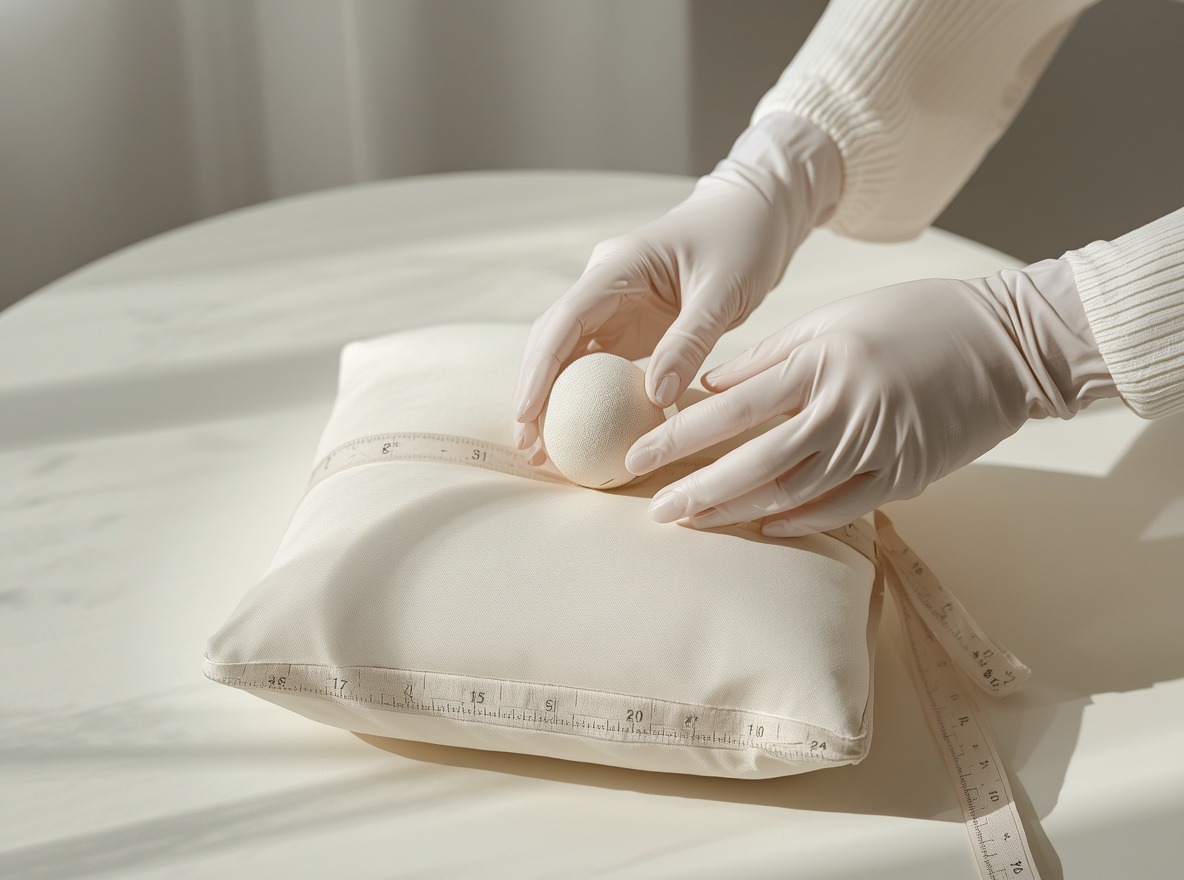
During the examination, body structure is first assessed. Height, weight, chest width and existing breast tissue indicate what size and shape of prosthesis will be suitable. Chest muscle, skin quality and the balance between the muscles are also part of this evaluation. A narrow rib cage may struggle to carry a wider prosthesis, while a wide chest structure can give a more natural result with larger-volume prostheses. Skin elasticity also determines whether the prosthesis will settle into the tissue and maintain its shape over time.
Expectations and tissue structure are discussed in detail. The appearance the person imagines, their clothing preferences in daily life and whether they do sports shape the choice of prosthesis. Setting a realistic goal reduces dissatisfaction that may arise later. During the examination, any previous surgery or general health condition is also assessed. This information helps determine whether the prosthesis to be chosen is safe and appropriate. For details, a consultation can be requested through the contact page.
Does prosthesis selection affect post-operative healing?
The chosen prosthesis can affect the speed and comfort of the healing process. The size, shape and placement method of the prosthesis change how the tissues respond in the first weeks. For this reason, prosthesis selection is considered not only as appearance but also as part of the healing plan.
With larger or high-projection prostheses, tension on the tissue may increase. This can prolong swelling and firmness in the early period. In a prosthesis selected appropriately for the body, however, the tissue adapts more evenly and healing proceeds more predictably.
During the first weeks after surgery, it is important to limit movement, follow the use of the bandage and compression garment, and adhere to the medication and care instructions given by your doctor. Avoiding heavy lifting and straining your arm movements helps the implant settle into place. Follow-up appointments should not be missed; if you experience unusual pain, fever, or discharge, consult your doctor immediately.
For more detailed information about the recovery process, you can read our article describing the recovery period after breast augmentation surgery. The changes experienced throughout the process may vary from person to person.
Frequently asked questions
What information is needed to choose a breast implant?
During the examination, body measurements, chest width, skin and breast tissue structure, previous surgeries, and expected outcome are discussed. This information is used to determine both the type and size of the implant.
Which is more suitable, round or anatomical implants?
Which one is more suitable depends on the individual. Round implants give a fuller look in the upper area, while anatomical implants offer a more natural teardrop shape. The decision is made during the examination based on chest structure and the desired result.
Is the choice of implant finally determined during the examination?
Yes, the final choice becomes clear after the evaluation during the examination. Measurements are taken, expectations are discussed, and the physician recommends which implant is appropriate. For detailed information, you can request an appointment through the contact page.
Dr. Caner Kaçmaz · Consultation request
Request a Breast Augmentation consultation
Fill in the form and our team will call you.
Share this article